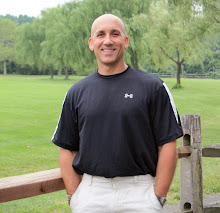
Please check out my new blog at www.fredfornicola.com
Saturday, August 13, 2011
Monday, June 13, 2011
Bending The Aging Curve
A great article by Clarence Bass on how to use exercise to keep us young and fit by Bending The Aging Curve!


Saturday, June 04, 2011
A Review of "Strength and Fitness for a Lifetime: How We Train Now"

Michael Allen Smith of "Critical Mas" recently reviewed Strength and Fitness for a Lifetime: How We Train Now and it can be viewed on his BLOG
Tuesday, May 24, 2011
Strength and Fitness for a Lifetime: How We Train Now

ALLOW ME TO EXPLAIN
“Strength and Fitness for a Lifetime: How We Train Now” is a collection of more than 40 individuals from across the country who have shared how they have fine-tuned their strength and fitness regimen to suit their goals and needs. Do not be fooled into thinking that this is some “old farts” catalog that discusses “this injury or that one.” And it certainly isn’t a “poor me” attitude that these contributors focus on as there’s very little mentioned of what cannot be done any longer. To the contrary, this compilation has a very strong focus on what CAN be accomplished. These individuals are not to be deterred by age or contraindications as they have found and established desirable goals and have stopped trying to put the “square peg in the round hole” as they’ve grown through the years. Sharing their fitness program in these pages is, to say the least, inspiring and thought provoking. There is much to glean from these contributors and when you think there’s no hope, read through these pages, knowing that no matter what, strength and fitness can and should be for a lifetime! - Fred Fornicola
Contributors
Victoria Albano, Clarence Bass, Liam “TAKU” Bauer, Jim Bryan, Matt Brzycki, Mike Buckley, Glenn Citerony, Mark Collins, Michael Conway, Charles Davall, Theresa Deckebach, Bill DeSimone, Fred Fornicola, Logan Franklin, Jeff Holt, Dan John, Sunir Jossan, Hank Kearns, Tom Kelso, Jim Kielbaso, Kristopher Kotch, Michael Lucchino, Tom Mantos, Jim Mardis, Dan Martin, Vicki Masterson, Keoni Ronald May, Steve McKinney, John Mikula, Andy Mitchell Tom Mitchell, Bill “Wicked Willie” Peel, Bill Piche, Rick Rignell, Dan Riley, Dennis Rogers, Doug Scott, Bob Sikora, Peter Soderman, Janice Vale, Wayne Westcott, Brian Wilt, Dwayne Wimmer, Richard Winett
Endorsements
“Exercise has been part of my life for more than forty-five years. It is far more important for me and all adults to participate in meaningful exercise to help maintain or possibly improve the quality of life. For some adults it is difficult to find the motivation and easy to understand evidenced based information. “Strength and Fitness for a Lifetime: How We Train Now” should provide both the information and the inspiration to help get you started or find new ideas to add to current exercise regimen.” – Dan Riley
“Exercise has been part of my life for more than forty-five years. It is far more important for me and all adults to participate in meaningful exercise to help maintain or possibly improve the quality of life. For some adults it is difficult to find the motivation and easy to understand evidenced based information. “Strength and Fitness for a Lifetime: How We Train Now” should provide both the information and the inspiration to help get you started or find new ideas to add to current exercise regimen.” – Dan Riley
"We, the Baby Boomers and seniors, are the fastest growing demographic in America. Building and maintaining vibrant health and fitness benefits us individually, of course, but also collectively as a nation. “Strength and Fitness for a Lifetime: How We Train Now” takes a look at how some of us "just do it" at any age." - Logan Franklin
“It's still unusual for people to be training diligently and hard in their middle to older years. So much of the available information and materials are geared toward people just starting to train or for serious, but younger people. I thought by being involved in this project I would gain a lot of understanding about how people have stayed motivated and adapted their training as they've become older. At the same time, I wanted to contribute my own experiences to this project because I believe they can be helpful to others”. – Richard Winett
To order your e-book copy, visit Strength and Fitness for a Lifetime: How We Train Now or email Fred Fornicola at fredfornicola@gmail.com. The cost is $10.00.
Tuesday, April 26, 2011
Ellen Cahill Joins Premiere Personal Fitness
Ellen Cahill joins Premiere Personal Fitness as a new Personal Trainer. Check out her bio...."Ellen Cahill"
Monday, March 28, 2011
My Story
What Got Me Started
My discovery and introduction to proper exercise happened back in March of 2010 with Fred Fornicola and Premiere Personal Fitness. I was tired and out of shape and generally feeling unwell and frankly, old…certainly older than my years. At the time, I was having bouts with rheumatoid arthritis and my doctor had recommended I see a physical therapist. After a couple of visits, I was becoming dissatisfied with spending time and money doing something that provided me no relief or benefits. In short, it was just not a good fit for me. I explained my situation to a friend and she highly recommended that I make an appointment to see Fred. She explained that Fred could help me perform the prescribed exercises I needed to do to improve my situation with my RA and that the fees were comparable to what I was spending with the physical therapist. So, I figured I had little to lose by having a sit down with Fred. I made my appointment for a free consultation and Fred did a full health history evaluation with me. As we proceeded through the consultation, he notices a bit of hesitation on my part and told me to call him when I was ready to commit to improving my health. Well, a few months later I was ready and began my program.
Why I Stayed
I am not particularly athletic and avoided exercise like the plague up to this point, but I was committed to showing up for my sessions and seeing where this would lead to. To be honest, I didn’t enjoy training at first and mentally had to talk myself into showing up and working. I would think of all the other more pleasant things I could be doing and was determined to improve my functionality and reduce the pain from my arthritis. Slowly, the idea of exercising got easier, things didn’t seem so foreign and my body started toning up. I began to realize that my stiff, arthritic joints were feeling loose and comfortable immediately after my training sessions. Even into the next day I was feeling more mobile and had incredible amounts of energy. I no longer had to mentally fight with myself to get to the gym as I was now one of “those people” I was always intrigued by, those who enjoy exercising and use the gym as their “drug”.
My Progress
At the one year mark I had lost over 25 pounds of fat, toned up dramatically, became more functional in daily life and felt the clock turn back 10 years. The benefits I have experienced have been overwhelming to my health and self-esteem. Meeting and working with Fred and his powerful influence made all the difference in this once tired, sick, middle aged woman. Without his guidance, I don’t know if all of this would have been possible.
My Epiphany
So impressed with my changes (and encouragement from Fred), I decided to enroll in Brookdale Community College’s Certified Personal Training Program. He told me that when I graduated he would like me to train people at his facility and that is why I am at Premiere Personal Fitness today so I can help others become healthier and more purposeful in life. My pledge to you is to provide a safe, fun and challenging exercise program that will help improve your strength, flexibility, endurance, body composition and confidence. Hey, I’m the first to say that I don’t have the perfect body, but I am perfectly strong and perfectly healthy and you can be too! - Ellen
My discovery and introduction to proper exercise happened back in March of 2010 with Fred Fornicola and Premiere Personal Fitness. I was tired and out of shape and generally feeling unwell and frankly, old…certainly older than my years. At the time, I was having bouts with rheumatoid arthritis and my doctor had recommended I see a physical therapist. After a couple of visits, I was becoming dissatisfied with spending time and money doing something that provided me no relief or benefits. In short, it was just not a good fit for me. I explained my situation to a friend and she highly recommended that I make an appointment to see Fred. She explained that Fred could help me perform the prescribed exercises I needed to do to improve my situation with my RA and that the fees were comparable to what I was spending with the physical therapist. So, I figured I had little to lose by having a sit down with Fred. I made my appointment for a free consultation and Fred did a full health history evaluation with me. As we proceeded through the consultation, he notices a bit of hesitation on my part and told me to call him when I was ready to commit to improving my health. Well, a few months later I was ready and began my program.
Why I Stayed
I am not particularly athletic and avoided exercise like the plague up to this point, but I was committed to showing up for my sessions and seeing where this would lead to. To be honest, I didn’t enjoy training at first and mentally had to talk myself into showing up and working. I would think of all the other more pleasant things I could be doing and was determined to improve my functionality and reduce the pain from my arthritis. Slowly, the idea of exercising got easier, things didn’t seem so foreign and my body started toning up. I began to realize that my stiff, arthritic joints were feeling loose and comfortable immediately after my training sessions. Even into the next day I was feeling more mobile and had incredible amounts of energy. I no longer had to mentally fight with myself to get to the gym as I was now one of “those people” I was always intrigued by, those who enjoy exercising and use the gym as their “drug”.
My Progress
At the one year mark I had lost over 25 pounds of fat, toned up dramatically, became more functional in daily life and felt the clock turn back 10 years. The benefits I have experienced have been overwhelming to my health and self-esteem. Meeting and working with Fred and his powerful influence made all the difference in this once tired, sick, middle aged woman. Without his guidance, I don’t know if all of this would have been possible.
My Epiphany
So impressed with my changes (and encouragement from Fred), I decided to enroll in Brookdale Community College’s Certified Personal Training Program. He told me that when I graduated he would like me to train people at his facility and that is why I am at Premiere Personal Fitness today so I can help others become healthier and more purposeful in life. My pledge to you is to provide a safe, fun and challenging exercise program that will help improve your strength, flexibility, endurance, body composition and confidence. Hey, I’m the first to say that I don’t have the perfect body, but I am perfectly strong and perfectly healthy and you can be too! - Ellen
Thursday, March 24, 2011
The Resource Page
The names listed below are high quality resources for training and exercise information.
Cyberpump
editor@cyberpump.com
www.cyberpump.com
ProTraining & Consulting
Mark Asanovich
www.coachaprotraining.com
(612) 462-3566
Bill Hinbern's Super Strength Training
info@superstrengthtraining.com
www.superstrengthtraining.com
Whelan Strength Training
Bob Whelan
www.NaturalStrength.com
www.WhelanStrengthTraining.com
Tom Kelso
info@tomkelso.com
www.tomkelso.com
Excellence In Fitness Personal Training
Joe Aben
info@excellenceinfitness.com
www.excellenceinfitness.com
Premiere Personal Fitness
Fred Fornicola
fredfornicola@gmail.com
www.PremierePersonalFitness.com
(908) 433-4542
Randy Roach
www.RandyRoach.ca
Total Performance Training Center
Jim Kielbaso
jim@totalsportscomplex.com
www.TotalSportsComplex.com
www.UltimateStrengthAndConditioning.com
ASAP~Athletic Strength And Power
Ed Cicale
ASAPtheWORKOUT@gmail.com
www.athleticstrengthandpower.com
Massage by Marcos
massagebymarcos@live.com
www.jerseyshorehealthwellnessgroup.com
(917)882-2557
Ultimate Exercise, Inc.
www.ultimat-exercise.com
www.bodybyscience.net
Jeff Holt's Personal Health and Fitness
www.PHANDF.com
Cyberpump
editor@cyberpump.com
www.cyberpump.com
ProTraining & Consulting
Mark Asanovich
www.coachaprotraining.com
(612) 462-3566
Bill Hinbern's Super Strength Training
info@superstrengthtraining.com
www.superstrengthtraining.com
Whelan Strength Training
Bob Whelan
www.NaturalStrength.com
www.WhelanStrengthTraining.com
Tom Kelso
info@tomkelso.com
www.tomkelso.com
Excellence In Fitness Personal Training
Joe Aben
info@excellenceinfitness.com
www.excellenceinfitness.com
Premiere Personal Fitness
Fred Fornicola
fredfornicola@gmail.com
www.PremierePersonalFitness.com
(908) 433-4542
Randy Roach
www.RandyRoach.ca
Total Performance Training Center
Jim Kielbaso
jim@totalsportscomplex.com
www.TotalSportsComplex.com
www.UltimateStrengthAndConditioning.com
ASAP~Athletic Strength And Power
Ed Cicale
ASAPtheWORKOUT@gmail.com
www.athleticstrengthandpower.com
Massage by Marcos
massagebymarcos@live.com
www.jerseyshorehealthwellnessgroup.com
(917)882-2557
Ultimate Exercise, Inc.
www.ultimat-exercise.com
www.bodybyscience.net
Jeff Holt's Personal Health and Fitness
www.PHANDF.com
Tuesday, March 22, 2011
Quality vs Quantity - REPS
I'm a HUGE advocate of "Quality vs Quantity" in many aspects of fitness (and in life) and today I want to address the QUALITY of a repetition vs the Quantity.
Quite often, the quality of a repetition can be lost when a trainee does not connect "mind and muscle". Hoisting a weight up and down will equate to some benefit and more than likely, stroke one's ego but given an ooportunity to truly feel the muscle through the entire movement will produce greater gains in muscular and cardiovascular stimulation, reduce shearing forces on the joints and soft tissue and produce one helluva pump. Yes, your weights will need to be reduced or you may only get a percentage of the reps you achieved before, but performing the exercise properly and with intent will go far beyond the numbers you tell your buddies you just lifted.
Try this next time you do pushups:
Start in the bottom position of the pushup. Make sure your entire body is "tight", now with great intent, slowly start to press your body up using a 3 second count to achieve the positive portion of the rep - the whole time trying to adduct your hands together on the floor (which, of course, won't happen but will yield an incredible contraction int he pectorals). Pause at the top, but keep the elbows slightly bent and briefly hold that contraction, now lower your self down in 3 seconds (as with the start position, don't rush through and just drop down) and when you get to the bottom position pause for a brief second (again, body fully tight) and hover over the floor for a moment then squeeze out of the bottom again. Let me know how you feel after 10 of these reps......and remember, think QUALITY!!!!!
Quite often, the quality of a repetition can be lost when a trainee does not connect "mind and muscle". Hoisting a weight up and down will equate to some benefit and more than likely, stroke one's ego but given an ooportunity to truly feel the muscle through the entire movement will produce greater gains in muscular and cardiovascular stimulation, reduce shearing forces on the joints and soft tissue and produce one helluva pump. Yes, your weights will need to be reduced or you may only get a percentage of the reps you achieved before, but performing the exercise properly and with intent will go far beyond the numbers you tell your buddies you just lifted.
Try this next time you do pushups:
Start in the bottom position of the pushup. Make sure your entire body is "tight", now with great intent, slowly start to press your body up using a 3 second count to achieve the positive portion of the rep - the whole time trying to adduct your hands together on the floor (which, of course, won't happen but will yield an incredible contraction int he pectorals). Pause at the top, but keep the elbows slightly bent and briefly hold that contraction, now lower your self down in 3 seconds (as with the start position, don't rush through and just drop down) and when you get to the bottom position pause for a brief second (again, body fully tight) and hover over the floor for a moment then squeeze out of the bottom again. Let me know how you feel after 10 of these reps......and remember, think QUALITY!!!!!
Friday, March 11, 2011
Freddie's Friday Fiesta with Dave
Dave and I did the following workout this morning:
Hammer Strength Pulldown 8 reps
Pendulum Chest Press 8 reps
Treadmill Incline Sprint :45 seconds
Paramount Pullover 8 reps
Marpo Kinetics Rope Pull :45 seconds
Treadmill Incline Sprint :45 seconds
We repeated the cycle 2 more times and it only took 20 minutes to complete.
Hammer Strength Pulldown 8 reps
Pendulum Chest Press 8 reps
Treadmill Incline Sprint :45 seconds
Paramount Pullover 8 reps
Marpo Kinetics Rope Pull :45 seconds
Treadmill Incline Sprint :45 seconds
We repeated the cycle 2 more times and it only took 20 minutes to complete.
Tuesday, March 01, 2011
The "10 in 10" Program
Fitness Professional, Fred Fornicola and Nutritionist, Tom Mantos are conducting a workshop on how to lose "10 pounds in 10 weeks" (your mileage may vary). Spring is a blink away and it's time to get ready to look good in shorts and a T-shirt.
Fred Fornicola will be discussing and providing a 10 week fat-burning cardiovascular plan for every level of fitness and Tom Mantos has devised a nutritional program geared purely at burning fat and losing weight and will cover all demographics of nutritional needs.
You must sign up for the workshop by notifying Fred or Tom and please feel free to bring a friend - it's always a great idea to have a partner when you are pursuing these types of programs. If you can't make the meeting, that's fine as our information can be made available to you and payment can be arranged.
Date: Thursday, March 10th
Time: 7:30PM
Location: Premiere Personal Fitness - 614 Lake Ave., Asbury Park
Cost: $50.00
Feel free to contact Fred or Tom for more details: Jersey Shore Health & Wellness Group
Fred Fornicola will be discussing and providing a 10 week fat-burning cardiovascular plan for every level of fitness and Tom Mantos has devised a nutritional program geared purely at burning fat and losing weight and will cover all demographics of nutritional needs.
You must sign up for the workshop by notifying Fred or Tom and please feel free to bring a friend - it's always a great idea to have a partner when you are pursuing these types of programs. If you can't make the meeting, that's fine as our information can be made available to you and payment can be arranged.
Date: Thursday, March 10th
Time: 7:30PM
Location: Premiere Personal Fitness - 614 Lake Ave., Asbury Park
Cost: $50.00
Feel free to contact Fred or Tom for more details: Jersey Shore Health & Wellness Group
Monday, November 22, 2010
Toys for Tots Christmas Drive
The Asbury Park P.B.A., Local 6 is once again sponsoring a “Toys for Tots” drive to give those less fortunate in our area an opportunity to have a Merry Christmas. Keeping in with our practice of helping those in our immediate community, Premiere Personal Fitness will be collecting new, unwrapped gifts for boys and girls - with ages ranging from new born to 16. These kids need clothing, games, personal items, books, toys, etc – things that we take for granted every day. There is no dollar amount required to spend – it’s just about sharing with others who have very little. Also, please remember the demographics of those receiving these gifts when purchasing. Last year, Premiere Personal Fitness was the top collector in toys – let’s be #1 again this year! Thanks…. If you have any questions, feel free to call me at 908.433.4542 or email me at fredfornicola@gmail.com
Tuesday, October 26, 2010
Training Programs and Rates at Premiere Personal Fitness
TRAINING SESSION PROGRAMS & RATES
“Invest In Yourself”
One-on-One Strength Training
$40.00 for 30 minute session
One-on-One “Elite” Strength Training
$75.00 for 30 minute session
One-on-One Strength, Cardiovascular and Flexibility Training
$75.00 for 60 minute session
One-on-One Cardiovascular Training
$40.00 for 30 minute session
Group Cardiovascular Training (2-4 people)
$15.00 per person for 30 minute session
For more information visit
www.PremierePersonalFitness.com
or call Fred Fornicola at 908.433.4542
“Invest In Yourself”
One-on-One Strength Training
$40.00 for 30 minute session
One-on-One “Elite” Strength Training
$75.00 for 30 minute session
One-on-One Strength, Cardiovascular and Flexibility Training
$75.00 for 60 minute session
One-on-One Cardiovascular Training
$40.00 for 30 minute session
Group Cardiovascular Training (2-4 people)
$15.00 per person for 30 minute session
For more information visit
www.PremierePersonalFitness.com
or call Fred Fornicola at 908.433.4542
Tuesday, October 12, 2010
NEW Fat Loss Winter Program
Fred Fornicola (Fitness Professional)and Tom Mantos (Clinical Nutritionist) will be holding a fat loss contest for anyone interested. The contest is based on percentage of fat loss over a 5 month period. Body fat lost and muscle gained are part of the total equation. In addition, we will cover other aspects associated with this time of year.
For those that may get better benefits from a group setting we have set up 5 separate group meetings. These will be held at Premiere Personal Fitness in Asbury Park. These phases will be as follows:
November-Structuring a Plan
December-Handling the Holidays
January-Dealing with Stress and Setting Goals
February-The Winter Blues
March-Maintaining and Getting Ready for Spring
To make the contest more challenging and rewarding we are charging $100.00 per person. If you bring a friend along and he or she signs up for the program, you will receive a $25.00 rebate and only have to pay $75.00. We are looking for a minimum of 10 contestants to participate and the winner will receive a $100.00 American Express Gift card. Second place will receive a $50.00 gift card.
As an added bonus, Tom will be doing body composition analysis at my office for free once per month. That's $175.00 savings!
All you have to lose at this point is some unwanted fat. The first meeting is scheduled for Monday November 1, 2010 at 7 PM so please let me know as soon as possible if you (and anyone else you can encourage to participate) are interested in the program. You have until October 25th to register.
For more information, contact Fred Fornicola at fredfornicola@gmail.com
For those that may get better benefits from a group setting we have set up 5 separate group meetings. These will be held at Premiere Personal Fitness in Asbury Park. These phases will be as follows:
November-Structuring a Plan
December-Handling the Holidays
January-Dealing with Stress and Setting Goals
February-The Winter Blues
March-Maintaining and Getting Ready for Spring
To make the contest more challenging and rewarding we are charging $100.00 per person. If you bring a friend along and he or she signs up for the program, you will receive a $25.00 rebate and only have to pay $75.00. We are looking for a minimum of 10 contestants to participate and the winner will receive a $100.00 American Express Gift card. Second place will receive a $50.00 gift card.
As an added bonus, Tom will be doing body composition analysis at my office for free once per month. That's $175.00 savings!
All you have to lose at this point is some unwanted fat. The first meeting is scheduled for Monday November 1, 2010 at 7 PM so please let me know as soon as possible if you (and anyone else you can encourage to participate) are interested in the program. You have until October 25th to register.
For more information, contact Fred Fornicola at fredfornicola@gmail.com
Tuesday, September 28, 2010
PPF YouthFIT Certification
Matt Brzycki and I just completed writing our Premiere Personal Fitness YouthFIT Certification Course. To become PPF YouthFIT Certified, visit our blog.
YouthFIT Certification
YouthFIT Certification
Friday, September 17, 2010
Subscribe to:
Posts (Atom)